
• HOME
  • SERVICES
    • CYBER SECURITY
    • RISK MANAGEMENT
    • DATA PRIVACY
    • PROCESS IMPROVEMENT
    • CHANGE MANAGEMENT
    • TRAINING
  • ABOUT
    • ADVANTAGES
    • METHODOLOGIES
    • A + RESULTS
    • CLIENTS
    • SPEAKING/WRITING
    • MISSION-VISION-VALUES
    • TEAM
    • PRESS RELEASES
  • CONTACT
  • BLOG
  • PODCAST

8 Effective Third-Party Risk Management Tactics

6 years ago
abstractfwd1987
No Comments

In this increasingly complex security landscape with threat actors and vendors changing their tools rapidly, managing third-party risk is very difficult, ambiguous, and it’s even more difficult to know how to prioritize mitigation spend.

Fig 1. Risk, Stock Image, 2019.

The key to any vendor risk management program or framework is measurement, repeatability, and learning or improving from what was repeated as the business and risks change. These are the nine best practices you can follow to help assess your vendors’ security processes and their willingness to understand your risks and collectively mitigate both of them.
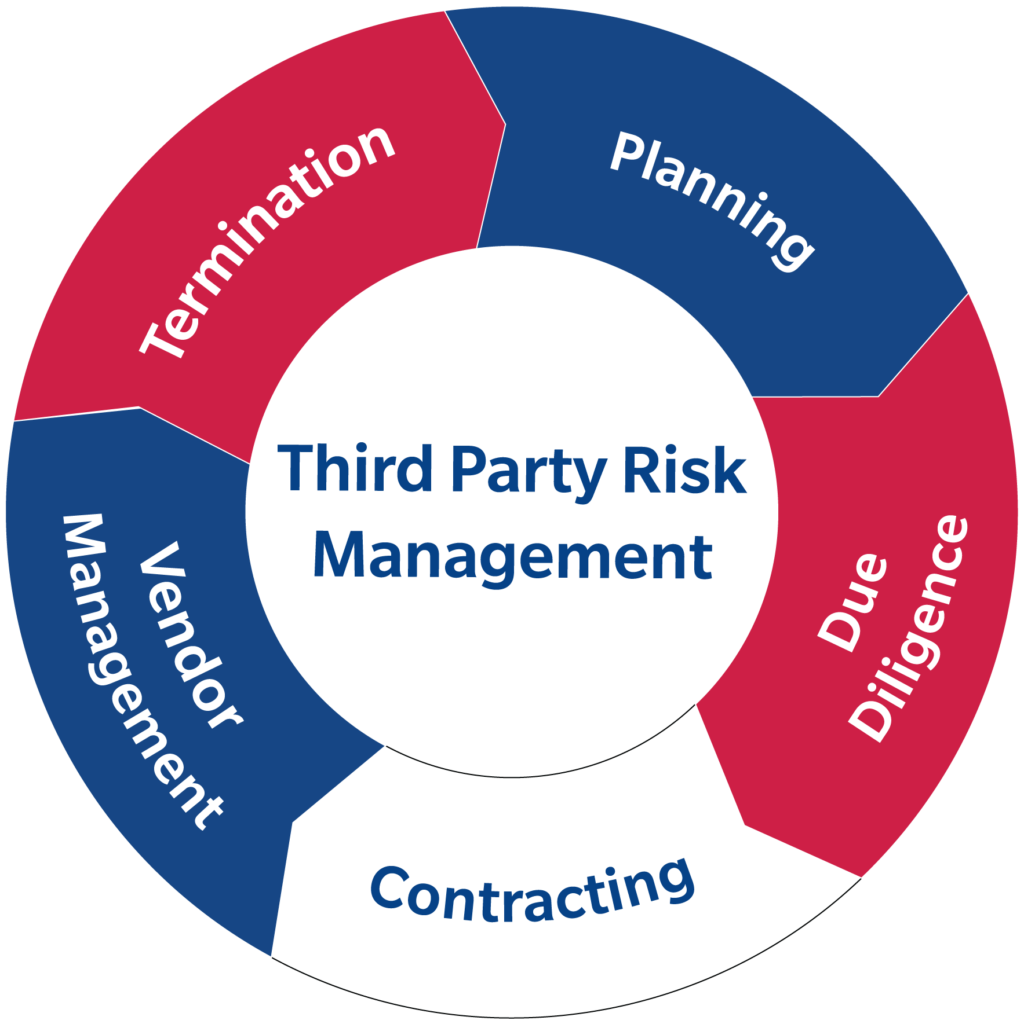
Fig. 2. Stock Image, Third-Party Risk Mgmt Inputs, 2019.

1) Identify All Your Vendors / Business Associates:

Many companies miss this easy step. Use RBAC (role-based access controls) when applicable – windows groups or the like. Creating a repeatable, written, compliance process for identifying them and making updates to the list as vendors move in and out of the company is worthwhile.

2) Ensure Your Vendors Perform Regular Security Assessments:

Risk assessments should be conducted on a weekly, monthly, or quarterly basis and reviewed and updated in response to changes in technology and the operating environment.

At a minimum, security risk assessments should include:

a) Evaluate the likelihood and potential impact of risks to in-scope assets.

b) Institute measures to protect against those risks.

c) Documentation of the security measures taken.

Vendors must also regularly review the findings of risk assessments to determine the likelihood and impact of the risk that they identify, as well as remediate any deficiencies.

3) Make Sure Vendors Have Written Information Security Policies / Procedures:

a) Written security policies and procedures should clearly outline the steps and tasks needed to ensure compliance delivers the expected outcomes.

b) Without a reference point, policies and procedures can become open to individual interpretation, leading to misalignment and mistakes. Verify not only that companies have these written policies, but that they align with your organization’s standards. Ask other peers in your industry for a benchmark.

 4) Prioritize Vendors Based on Risk – Use Evidence and Input from Others – NOT Speculation:

a) Critical Risk: Vendors who are critical to your operation, and whose failure or inability to deliver contracted services could result in your organization’s failure.

b) High Risk: Vendors (1) who have access to customer data and have a high risk of information loss; and / or (2) upon whom your organization is highly dependent operationally.

c) Medium Risk: Vendors (1) whose access to customer information is limited; and / or whose loss of services would be disruptive to your organization.

d) Low Risk: Vendors who do not have access to customer data and whose loss of services would not be disruptive to your organization.

5) Verify That Vendors Encrypt Data in All Applicable Places – At Rest, In Transit, etc:

a) Encryption, a process that protects data by making it unreadable without the use of a key or password, is one of the easiest methods of protecting data against theft.

b) When a vendor tells you their data is encrypted, trust but verify. Delve deeper and ask for details about different in-transit scenarios, such as encryption of backup and what type of backup. Ask them about what type of encryption it is and get an infographic. Most people get lost when you ask this question.

c) It’s also imperative that the keys used to encrypt the data are very well-protected. Understanding how encryption keys are protected is as vital as encryption itself. Are they stored on the same server? Is multi-factor authentication needed to get access to them? Is there a time limit on how long they can have access to the key?

6) Ensure Vendors Have A Disaster Recovery Program:

In order to be compliant with the HIPAA Security Rule and related rules, vendors must have a detailed disaster recovery program that includes analysis on how a natural disaster—fire, flood or even a rodent chewing through cables—could affect systems containing ePHI. The plan should also include policies and procedures for operating after a disaster, delineating employees’ roles and responsibilities. Finally, the plan should clearly outline the plan for restoring the data.

7) Ensure Access Is Based on Legitimate Business Needs:
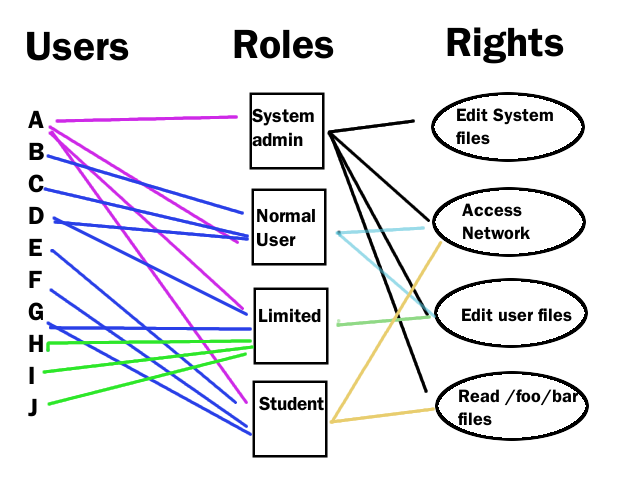
Fig 3. Stock Image, RBAC Flow, 2019.

It’s best to follow the principle of least privilege (POLP), which is the practice of limiting access rights for users to the bare minimum permissions they need to perform their work. Under POLP, users are granted permission to read, write, or execute only the files or resources they need to do their jobs. In other words, the least amount of privilege necessary. RBAC is worth mentioning here again.

8) Vet All New Vendors with Due Diligence:

a) Getting references.

b) Using a standard checklist.

c) Performing a risk analysis and determining if the vendor will be ranked Critical, High, Medium or Low.

d) Document and report to senior management.

Contact us here to learn more.

Previous Post
Watch Out for Coronavirus (COVID-19) Scams and Malware
Next Post
Seven Impactful Cyber-Tech Trends of 2020 and What it Means for 2021.

Leave a Reply Cancel reply

Your email address will not be published. Required fields are marked *

Fill out this field
Fill out this field
Please enter a valid email address.

The reCAPTCHA verification period has expired. Please reload the page.

Recent Posts

  • The Importance of the 3-2-1 Back-Up Method.
  • No Interview Needed to Join Microsoft After Getting Fired From OpenAI – Sam Altman.
  • Seven Cyber-Tech Observations of 2022 and What it Means for 2023.
  • The Main Purpose of Cryptocurrency Mixer and/or Splitter Services is Fraud and Money Laundering.
  • Top 16 Ways SMBs Can Mitigate Cyber Risks and Threats.
X
LinkedIn

Recent Posts

  • The Importance of the 3-2-1 Back-Up Method.
  • No Interview Needed to Join Microsoft After Getting Fired From OpenAI – Sam Altman.
  • Seven Cyber-Tech Observations of 2022 and What it Means for 2023.
  • The Main Purpose of Cryptocurrency Mixer and/or Splitter Services is Fraud and Money Laundering.
  • Top 16 Ways SMBs Can Mitigate Cyber Risks and Threats.

Recent Comments

  • Abstract Forward Partners with Ignyte on Abstract Forward Partners With Newer Cyber GRC Tool: Ignyte Assurance Platform
  • Abstract Forward Partners with Ignyte | Ignyte Assurance Platform on Abstract Forward Partners With Newer Cyber GRC Tool: Ignyte Assurance Platform
  • Michael Kirk Please Interview US for your new Prince movie “Prince: R U Listening”! | Economic, Technology, & Marketing Thought Leadership on Social Tech CEO Jimmy Chamberlin Rejoins Smashing Pumpkins
  • Michael Kirk Please Interview US for your new Prince movie “Prince: R U Listening”! | Economic, Technology, & Marketing Thought Leadership on Prince and Purple Rain 30 years later: Business and Music Innovation
  • brianfpennington on Demystifying 9 Common Types of Cyber Risk

Archives

  • November 2023
  • January 2023
  • June 2022
  • April 2022
  • January 2022
  • June 2021
  • December 2020
  • August 2020
  • March 2020
  • January 2020
  • August 2019
  • March 2019
  • December 2018
  • November 2018
  • October 2018
  • September 2018
  • August 2018
  • July 2018
  • June 2018
  • May 2018
  • April 2018
  • March 2018
  • December 2017
  • November 2017
  • February 2017
  • January 2017
  • December 2016
  • November 2016
  • July 2016
  • May 2016
  • March 2016
  • February 2016
  • August 2015
  • June 2015
  • February 2015
  • January 2015
  • December 2014
  • August 2014
  • May 2014
  • April 2014

Categories

  • 2016 election hack
  • 2016 tech review
  • 360 net lab
  • 80s music
  • Alternative music
  • Amazon
  • Android
  • apple
  • arlines hack
  • artificial intelligence
  • Billy Corgan
  • Bitcoin security
  • british airways breach
  • Business
  • business analysis
  • business continuity
  • Chinese hackers
  • cloud computing
  • CoinHive
  • Coronavirus malware
  • COVID-19 scams
  • crypto mixing
  • Crypto Money Laundering
  • crypto-jacking
  • currency
  • cyber insurance
  • Cyber Security
  • cyber security framework
  • Cyber-Espionage
  • Cybersecuity summit
  • data back up
  • data breach
  • Data Exfiltration Detection
  • data security
  • Denial of Service (DoS) Attacks
  • Direct x12
  • disinformation
  • drones
  • election security
  • equifax breach
  • esports security
  • EU Privacy
  • FDIC
  • federal reserve
  • GDPR
  • gdpr test british airways breach
  • google glass
  • Google Mandiant
  • grc
  • GroupOn
  • iam
  • Ignyte Assurance Platform
  • iphone
  • Jimmy Chamberlin
  • leadership vs. management
  • LinkedIn
  • Live Streaming
  • LiveOne
  • Lumia Phone
  • management consulting
  • Microsoft
  • microsoft azure
  • Microsoft Continuum
  • MikroTik Routers
  • MN Start-Up
  • mobile os
  • mobile web
  • NASA
  • navy cyber hack
  • net neutrality
  • network intrusion
  • OpenStack
  • PBS Frontline
  • personal aircraft
  • phone market share
  • Prince: R U Listening
  • project management
  • Project Sparta
  • Purple Rain
  • Rackspace
  • ransomware
  • ransomware removal
  • retail
  • risk management
  • Salesforce
  • self driving cars
  • small business
  • small business cyber security
  • Smashing Pumpkins
  • SME Infosec
  • Social Media
  • socrates
  • sony pictures
  • stalkerware
  • Stuxnet
  • target
  • Tech Year In Review
  • third party risk management
  • Unit 61398
  • vendor risk mgmt
  • video surveillance
  • Web App Attack
  • WEP vs WPA2
  • Windows 10

Meta

  • Log in
  • Entries feed
  • Comments feed
  • WordPress.org

All rights reserved © 2018 to present. Abstract Forward Consulting, LLC. Privacy Policy | Terms of Service | Web Accessibility | Sitemap.